
From Recovery to Resilience
Rebuilding Water, Food and Livelihood Systems After Climate Disaster
An Emerging Resilience Initiative for St. Elizabeth, Jamaica

Water
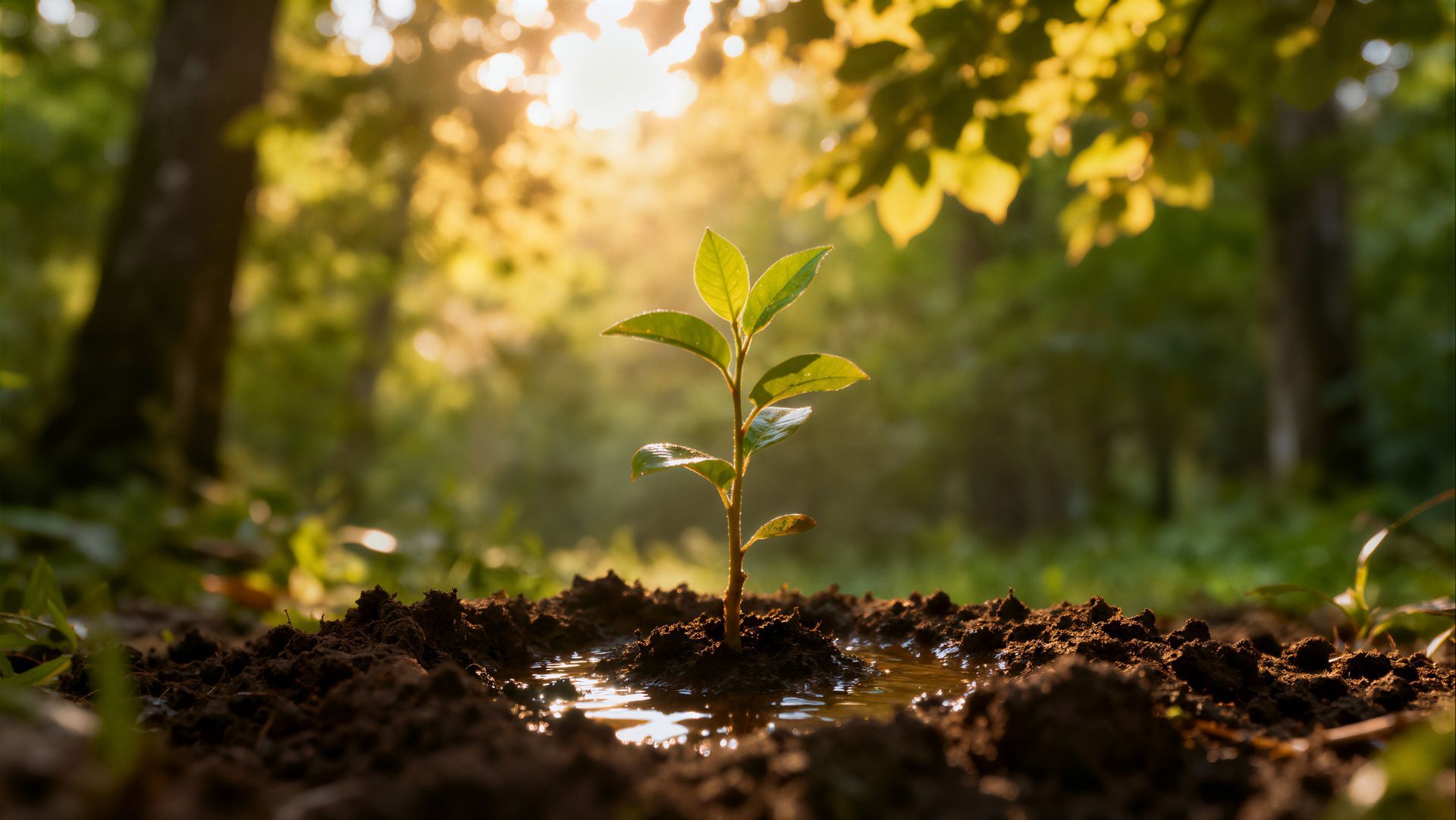
Land

Food

Skills
Livelihoods

Resilience
Climate disasters can change a community in a matter of hours. Recovery can take years.
Following Hurricane Melissa, communities across St. Elizabeth, Jamaica face the challenge of restoring homes, infrastructure, agriculture, livelihoods and the natural systems upon which daily life depends. From Recovery to Resilience is an emerging initiative exploring how St. Elizabeth’s recovery can help build stronger environmental, social and economic resilience for the future. The vision connects water stewardship, climate-resilient landscapes, local food systems, practical skills, entrepreneurship and sustainable livelihoods within an integrated, community-centered approach.
What if rebuilding after a climate disaster did more than restore what was there before—and instead created communities better prepared for what comes next?
THE VISION
Rebuild for the Future
Recovery creates an opportunity to think beyond individual projects and consider how the systems that sustain communities are connected.
- Water affects land.
- Land supports food.
- Food supports communities and livelihoods.
- Skills create opportunity.
- Opportunity strengthens local economies.
- And resilient local systems help communities prepare for the next climate shock.
This thinking forms the foundation of the From Recovery to Resilience framework:
WATER → LAND → FOOD → SKILLS → LIVELIHOODS → RESILIENCE
The initiative is being developed as a framework for collaboration—bringing together community knowledge, government priorities, technical expertise, youth development, environmental restoration and potential international partnerships.
THE RESILIENCE FRAMEWORK

01
WATER
Protecting the resource that sustains everything else.
Potential areas of focus include:
Water conservation • Rainwater harvesting • Stormwater management • Water-wise landscapes • Watershed protection • Community water resilience
Water security is foundational to agriculture, public health, economic activity and community resilience.
02
LAND
Restoring landscapes as resilience infrastructure.
Healthy landscapes can help manage water, protect soil, support food production and strengthen communities.
Potential strategies include:
Climate-resilient landscapes • Soil restoration • Green infrastructure • Nature-based solutions • Sustainable landscape practices • Restoration of degraded land
The landscape itself can become part of the community’s resilience infrastructure.

03
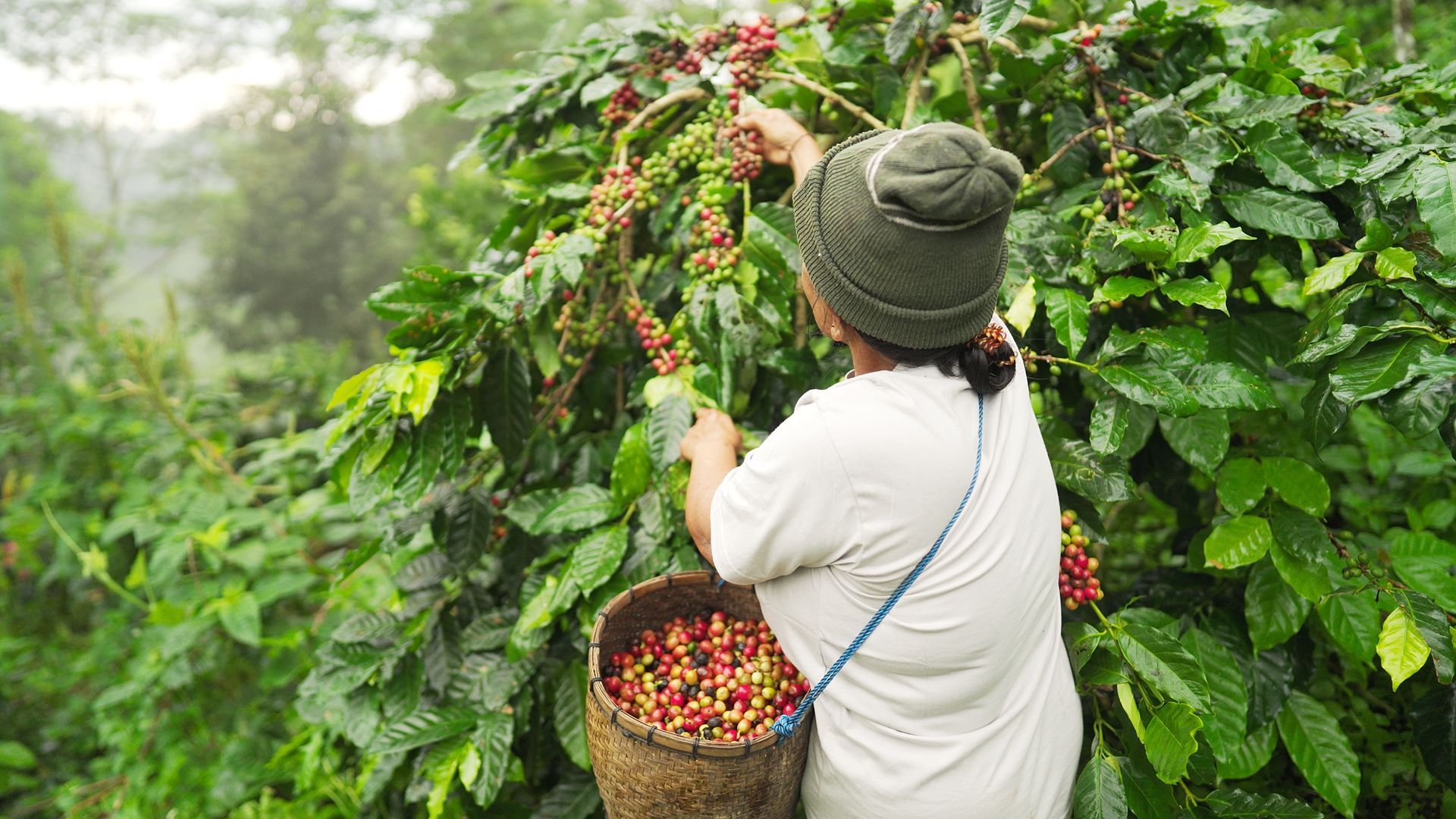
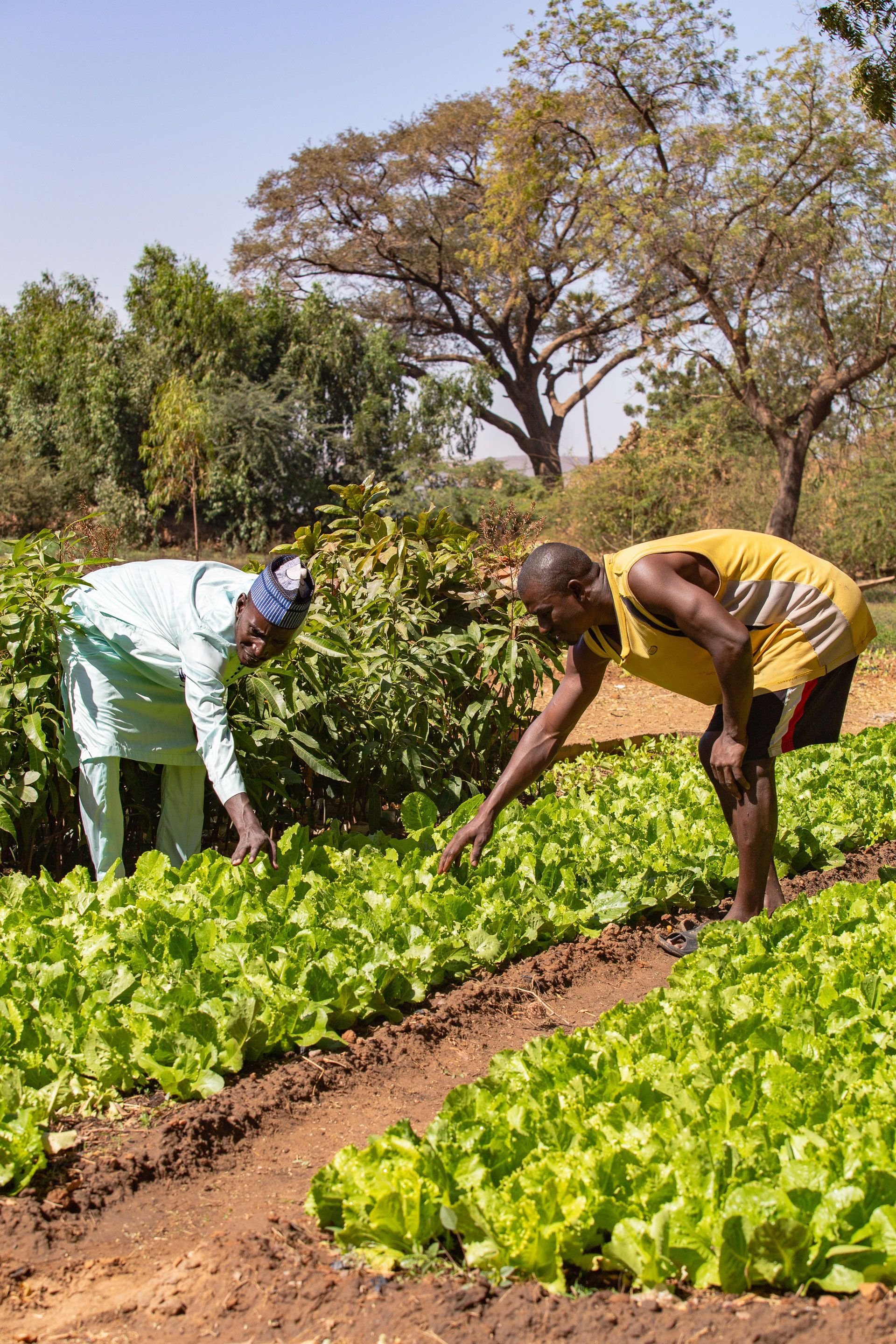
FOOD
Strengthening local food systems.
St. Elizabeth has a rich agricultural identity and an important relationship with Jamaica’s food system.
Recovery creates opportunities to strengthen local production through:
Climate-smart agriculture • Community and household food growing • Water-efficient growing practices • Local food networks • Agricultural landscape restoration • Greater food-system resilience
A resilient community should have the capacity to nourish itself.
04
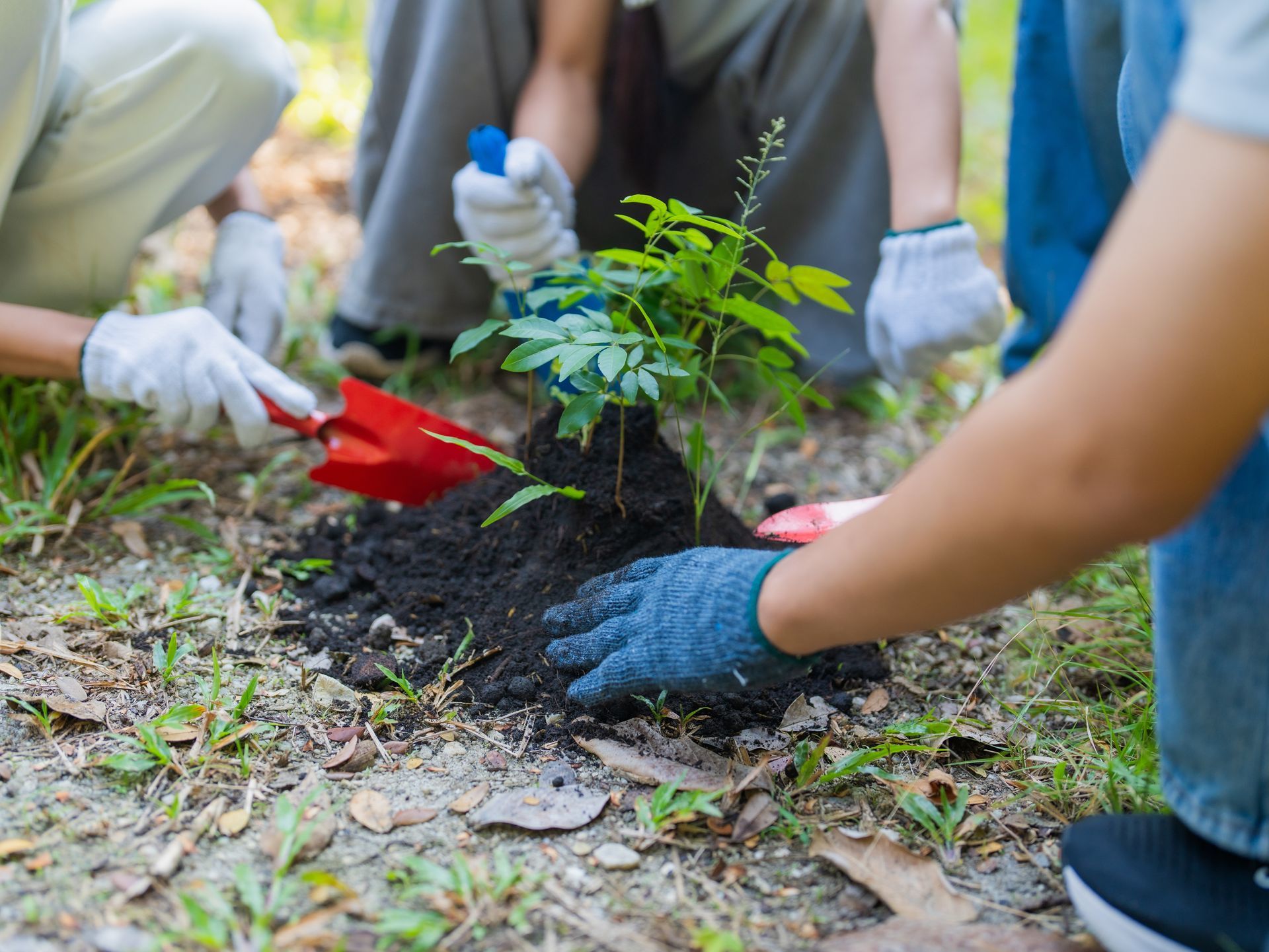
SKILLS
Preparing people—especially young people—to participate in rebuilding.
Reconstruction can also become a platform for workforce development.
Training opportunities could include:
Sustainable landscaping • Agriculture • Water conservation • Green infrastructure • Food production • Entrepreneurship • Environmental stewardship • Community resilience
Young people should have opportunities to participate meaningfully in rebuilding the communities they will inherit.
05
LIVELIHOODS
Turning resilience into economic opportunity.
Recovery can help generate pathways to employment, entrepreneurship and locally owned enterprise.
The initiative seeks to explore opportunities for:
Green jobs • Youth entrepreneurship • Small-business development • Agricultural enterprise • Landscape and environmental services • Community enterprise • Sustainable tourism and related local industries
Resilience becomes stronger when environmental recovery also creates economic opportunity.
THE OUTCOME
RESILIENT COMMUNITIES
The long-term vision is for communities better equipped to withstand future climate shocks while strengthening:
- Water security
- Healthy landscapes
- Local food production
- Youth opportunity
- Sustainable livelihoods
- Community wellbeing
- Climate preparedness
The goal is a practical model of resilience rooted in
people, place and possibility.
WHY ST. ELIZABETH?
St. Elizabeth holds a distinctive place within Jamaica.
Its agricultural landscapes, coastal communities, towns, natural resources and local enterprises create a powerful connection between water, land, food and livelihoods.
For Dr. Denise Buchanan, the connection is also deeply personal.
Her family roots are in St. Elizabeth, where her grandmother has a home. Her interest in the parish’s recovery therefore brings together professional experience and a personal commitment to Jamaica.
The emerging initiative is intended to complement—not duplicate—the important reconstruction conversations and initiatives already underway.
This includes listening to community leaders and residents and seeking alignment with government, civic and development priorities, including the community-centered principles reflected in the
Luana Declaration.
WHERE WE ARE NOW
From Concept to Collaboration
From Recovery to Resilience is currently in the developmental stage.
Implementation has not yet begun. The immediate priority is to listen.
The initiative is seeking conversations with people and organizations already working in St. Elizabeth to better understand community needs, reconstruction priorities, existing programs and areas where additional expertise or partnerships could be useful.
The pathway forward:
LISTEN → ALIGN → PARTNER → PILOT → MEASURE → SCALE
Rather than arriving with a predetermined solution, the intention is to develop a locally grounded approach shaped by the people and institutions closest to the work.
PARTNERSHIPS
Building Resilience Takes a Coalition
No individual organization can address the interconnected challenges of climate recovery alone.
From Recovery to Resilience seeks dialogue and potential collaboration with:
Government and local authorities • Community organizations • Water and climate-resilience specialists • Agricultural and food-system partners • Universities and researchers • Youth and workforce-development organizations • Landscape and environmental professionals • Development agencies • Philanthropic organizations • Impact investors • Private-sector partners • Jamaican diaspora leaders
We are particularly interested in partners who bring technical expertise, implementation capacity, community knowledge, training resources, research, investment or access to global resilience networks.
MEET DR. DENISE L. BUCHANAN
Practice + People + Place
Dr. Denise L. Buchanan, MA, MLA, PhD, LEED GA, ASLA is a Jamaican-born sustainable landscape professional, psychoneurologist, nonprofit leader, international speaker and human rights and youth advocate whose interdisciplinary work connects the natural environment, human wellbeing and resilient communities.
For more than 25 years, as President of Sacred Garden Designs, Inc., Dr. Buchanan has worked in Southern California in landscape design and construction, with experience in sustainable and water-wise landscapes, urban food growing, healing environments and community-centered landscape solutions.
Her work is grounded in an understanding that landscapes influence far more than aesthetics. How communities manage water, restore land, produce food and create healthy environments can directly affect wellbeing, opportunity and long-term resilience.
Dr. Buchanan is also Founder and CEO of Faith Has Feet™, a nonprofit organization advancing youth empowerment, safeguarding, practical skills, entrepreneurship and community leadership. Its work has engaged young people and communities across the Caribbean, Africa and the United States.
Her academic and professional background spans landscape design, sustainability, human development and psychology, allowing her to approach resilience through both the physical environment and the human systems that depend upon it.
Her international advocacy and speaking have included engagements connected with the White House Take It Down Act, the G20 Social Summit in Johannesburg, the To Zero Narrative Summit in Dublin, the Brave Movement, the Pontifical Gregorian University in Rome, and international forums focused on safeguarding, human rights, youth empowerment and sustainable development.
Through From Recovery to Resilience, Dr. Buchanan is bringing these areas of experience together around an emerging question:
How can water, landscape, food systems, skills and livelihoods work together to help communities recover from climate disaster and become stronger for the future?
Her role is that of
convener, catalyst and bridge-builder—bringing people and disciplines together while seeking the technical, governmental, community and development partnerships necessary to move the initiative from concept to implementation.
A PERSONAL CONNECTION TO JAMAICA
For Dr. Buchanan, this work represents a return to roots as much as an exploration of resilience.
With deep family ties to St. Elizabeth, she is exploring how decades of professional experience in sustainable landscapes, community development, youth empowerment and international advocacy might contribute meaningfully to Jamaica’s future.
Given the right alignment and opportunity to serve, she is open to spending significant time in Jamaica helping to advance this work.
The guiding principle is simple:
Listen first. Partner locally. Build for the future.
GLOBAL CONNECTIONS. LOCAL PRIORITIES.
From Recovery to Resilience is also being positioned for conversations with international organizations working across water security, climate adaptation, food systems, nature-based solutions, youth employment and sustainable development.
These conversations are intended to support locally identified priorities—not define them.
The opportunity is to connect
St. Elizabeth’s knowledge and needs with technical expertise, resources and partnerships that can help translate resilience from an aspiration into practical action.
LET’S BUILD THE NEXT CHAPTER TOGETHER
We welcome conversations with individuals and organizations interested in helping shape and advance this emerging initiative.
Whether you represent a Jamaican community organization, government agency, university, water or agricultural institution, development organization, philanthropic foundation, business, diaspora network or international resilience partner, we invite you to connect.
Healthy Water. Healthy Land. Local Food. Skilled Youth. Sustainable Livelihoods. Resilient Communities.
From Recovery to Resilience.
Dr. Denise L. Buchanan
Founder & CEO | Faith Has Feet™
President | Sacred Garden Designs, Inc.
Website: